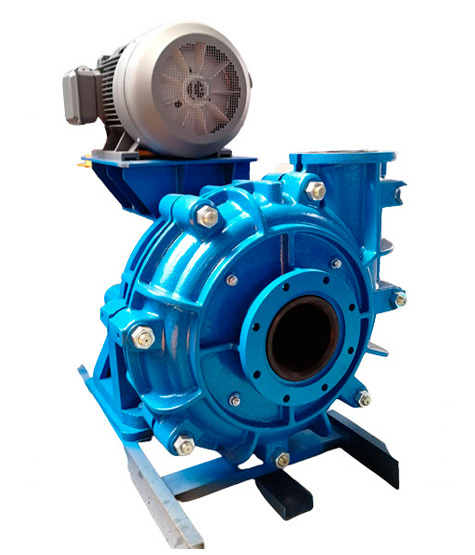
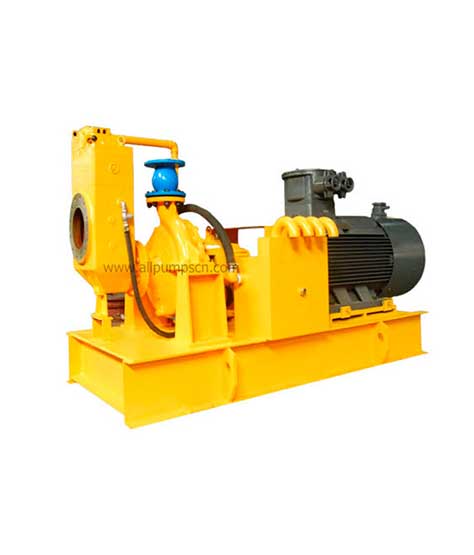
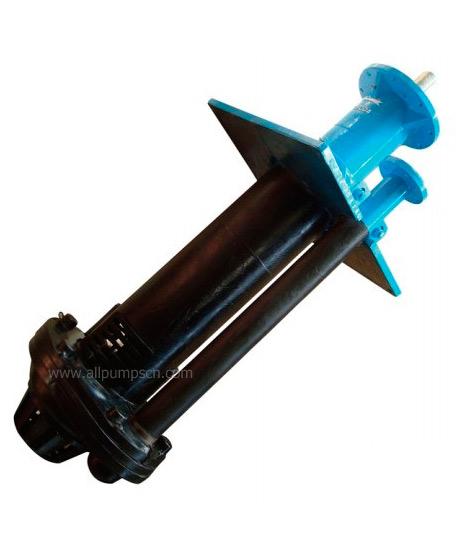
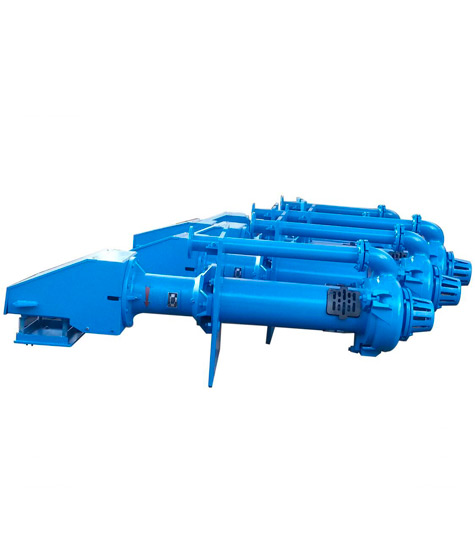
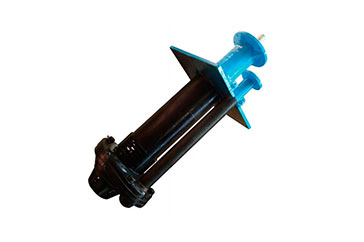
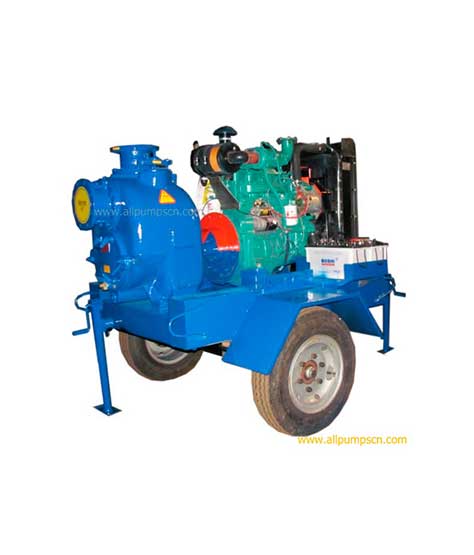
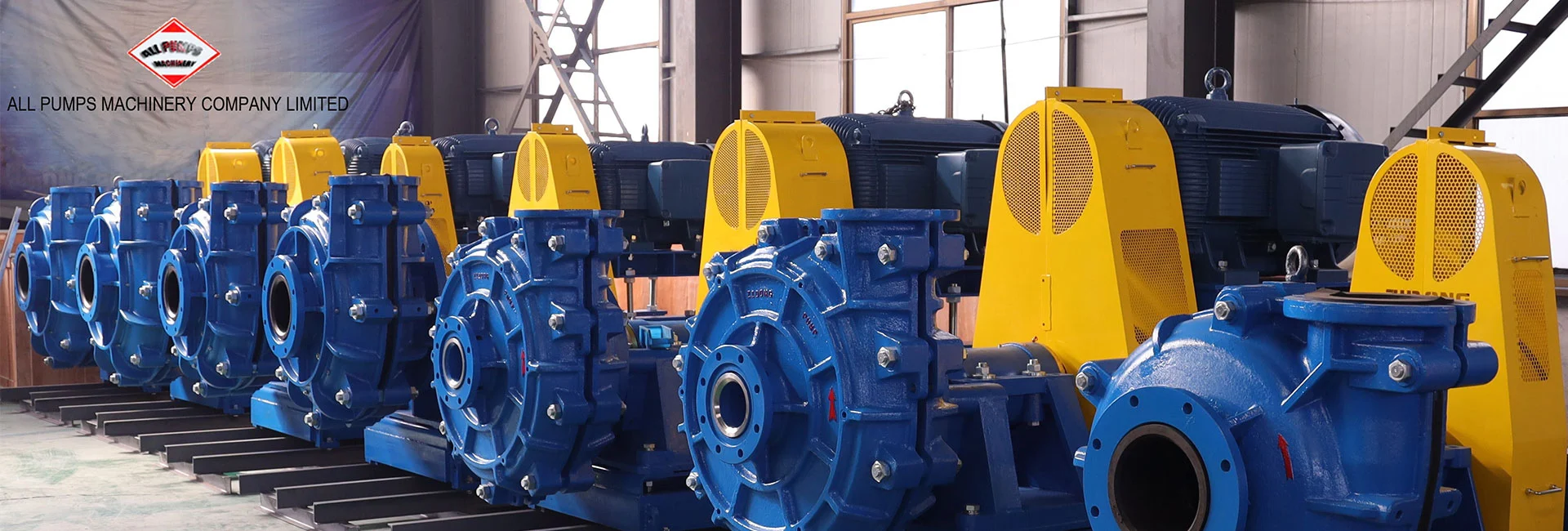
In industries such as mining, chemical processing, wastewater treatment, and metallurgy, handling abrasive and corrosive fluids requires specialized pumping solutions. Vertical slurry sump pumps have become a preferred choice for many operations due to their robust construction, space-efficient design, and superior performance in handling heavy slurries.
In this article, we explore the core benefits, structural design, and use cases of vertical slurry pump systems, including the immersion vertical slurry pump and vertical centrifugal sump pump. We’ll also examine what to consider when choosing a supplier or manufacturer and how these pumps are applied across various global regions.
Why Choose Vertical Slurry Sump Pumps for Harsh Environments?
When dealing with slurries that contain solid particles, chemical residues, or high-density mixtures, a traditional horizontal slurry pump often suffers from clogging, seal failures, and high maintenance needs. In contrast, vertical slurry sump pumps are designed to be installed directly in the sump or pit, allowing them to handle high volumes of abrasive fluids with minimal maintenance.
Key advantages include:
Space-saving configuration: Vertical design eliminates the need for a large footprint.
Reduced seal wear: Most designs use a cantilever shaft, eliminating the need for submerged bearings or shaft seals.
Improved uptime: Since the drive motor and other critical parts remain above the fluid level, access for maintenance is easier.
Enhanced solids handling: High chrome or elastomer-lined components resist wear and prolong pump life in abrasive service.
These attributes make them ideal for tough applications such as mine dewatering, mill scale transport, and sump drainage in chemical or processing plants.
How Does an Immersion Vertical Slurry Pump Perform Compared to Other Types?
An immersion vertical slurry pump operates with its wet-end components submerged in the fluid, while the motor and drive assembly remain above the surface. This design offers key benefits:
Corrosion resistance: Immersion pumps are often made from stainless steel, duplex alloys, or wear-resistant elastomers to handle aggressive fluids.
Easy alignment: With no need for a long suction pipe or alignment between pump and motor shafts, installation is streamlined.
Reduced cavitation risk: Since the impeller is always submerged, the risk of cavitation is minimized, improving operational reliability.
In applications such as acid mine drainage or metal refining, immersion pumps provide critical durability while maintaining efficient flow characteristics.
What Should You Look for When Sourcing from a Vertical Slurry Pump Factory?
Selecting a pump from a reliable vertical slurry pump factory is essential when you need to buy slurry pumps, ensuring that technical specifications, material quality, and service support meet your operational requirements. Here are key criteria to consider:
| Feature | Recommended Specification |
| Materials of Construction | High chrome alloy, rubber-lined, or stainless steel |
| Maximum Solids Handling Size | Typically up to 50 mm or more |
| Pump Efficiency | Between 60% and 85%, depending on slurry density |
| Shaft Length Options | Standard: 0.9 m to 1.5 m; Custom lengths available |
| Bearing and Shaft Design | Grease or oil-lubricated upper bearings; no submerged seals |
| Drive Options | Direct coupled or belt-driven with vertical motor mount |
Working with an experienced manufacturer ensures that pumps are engineered to match specific duty requirements, whether for tailings removal, flue gas desulfurization, or cement slurry transfer.
Where Are Vertical Centrifugal Sump Pumps Commonly Used?
Vertical centrifugal sump pumps are widely used in industrial operations where fluids must be lifted from deep pits, open tanks, or underground sumps. Some typical applications include:
Coal and mineral processing: Transporting fine tailings and high-density ore slurries.
Power plants: Handling ash slurry or scrubber waste from FGD systems.
Steel production: Moving scale slurry and coolant residues from rolling mills.
Chemical manufacturing: Transferring corrosive liquids containing precipitates or particles.
As one of the leading vertical multistage centrifugal pump manufacturers, we understand that in emerging markets like Southeast Asia, Africa, and Latin America, rising investment in infrastructure and mining is increasing the demand for rugged pumping solutions. Choosing the right vertical centrifugal sump pump for local conditions can significantly impact system efficiency and lifecycle costs.
How to Extend the Service Life of Vertical Slurry Pumps?
Proper operation and routine maintenance are critical to ensuring optimal performance. Here are practical steps to maximize longevity:
Routine inspection: Monitor bearing temperature, vibration levels, and impeller wear.
Material selection: Use suitable materials for the pumped medium to avoid rapid degradation.
Motor alignment: Ensure correct alignment between motor and pump shaft to prevent premature bearing failure.
Spare parts management: Keep key wear parts like impellers and bushings in stock to avoid downtime.
A well-maintained vertical pump can operate reliably for years, reducing total cost of ownership and improving plant productivity.
FAQs
Q1: Can vertical slurry sump pumps handle high-temperature fluids?
Yes. Depending on the materials used in construction, vertical slurry pumps can handle fluids up to 120–150°C. Always confirm temperature ratings with the manufacturer.
Q2: What’s the difference between a vertical centrifugal sump pump and a standard centrifugal pump?
The primary difference lies in orientation and application. Vertical sump pumps are designed for vertical installation in pits or tanks, with cantilever shafts that prevent seal failure in submerged conditions.
Q3: How deep can an immersion vertical slurry pump be installed?
Most standard immersion lengths range from 0.9 m to 2 m. Custom designs may extend deeper depending on application needs and shaft design.
Q4: Is a vertical slurry pump suitable for continuous duty operations?
Yes, vertical slurry pumps are often used in 24/7 operations such as mine dewatering or wastewater handling, provided they are matched correctly to flow and head requirements.
Conclusion
For industrial sites managing abrasive or corrosive slurries, the selection of a reliable vertical pump—such as a vertical slurry sump pump, immersion vertical slurry pump, or vertical centrifugal sump pump—can dramatically enhance productivity and reduce operational risk. By understanding the engineering and application differences, and partnering with a trusted vertical slurry pump factory, buyers can ensure long-term reliability and efficiency.
This technical overview provides a structured resource for professionals evaluating their slurry handling equipment, supporting informed decisions and improved plant operations.
 EN
EN
 fr
fr  de
de  es
es  ru
ru  pt
pt  ar
ar  vi
vi  hi
hi  id
id  af
af